


-
 2026-04-05
Upgrading International Power Equipment Standards Promotes Product Quality Improvement
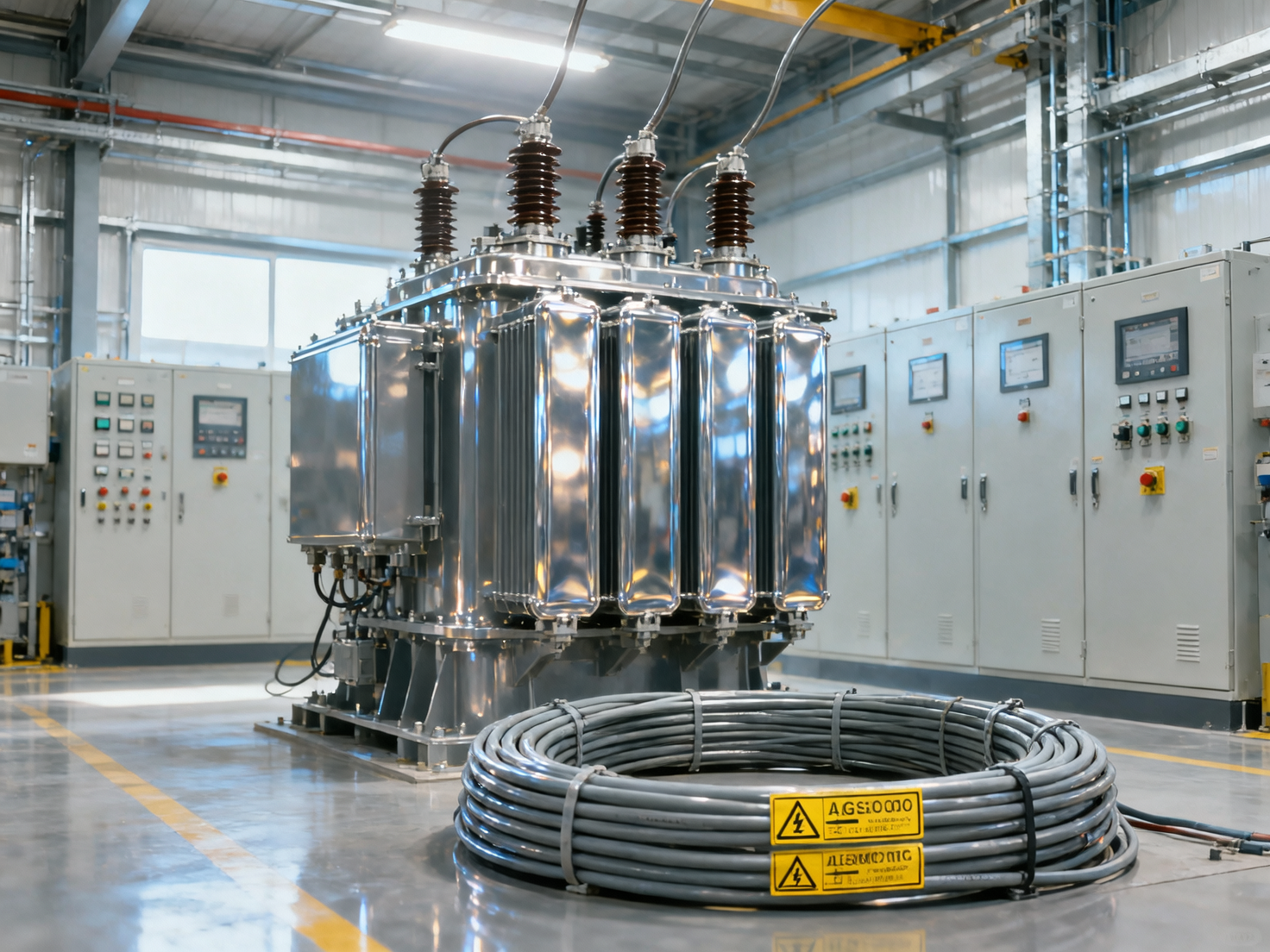
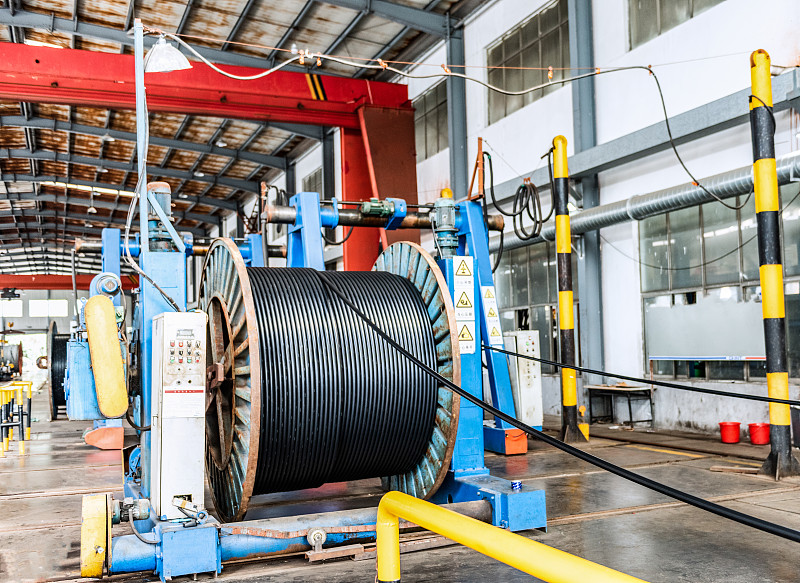
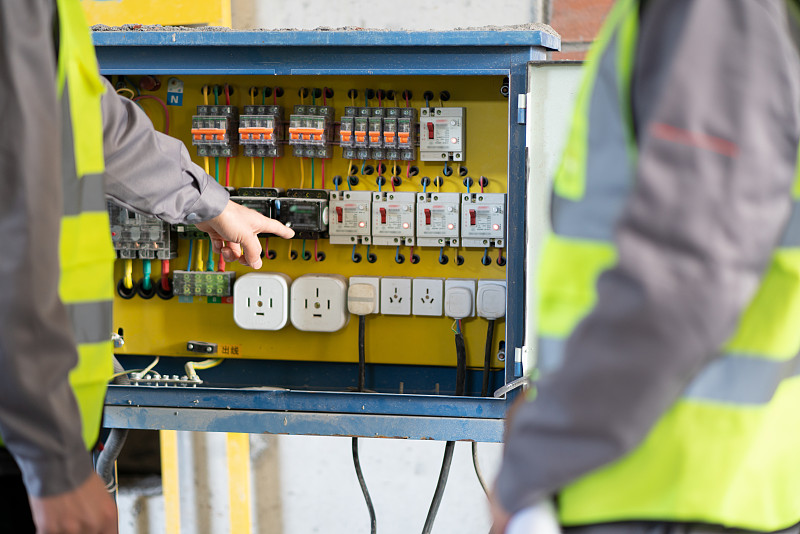
To meet the needs of global power grid interconnection and safe operation, organizations such as the International Electrotechnical Commission have recently updated multiple power equipment standards, covering transformer efficiency levels, cable flame retardancy, and distribution box protection ratings. The implementation of these new standards further raises the entry threshold for power equipment and is promoting an accelerated upgrade of the industry towards efficiency, safety, and energy saving. Companies with standardized production capabilities will demonstrate stronger competitive advantages in the international market.
-
 2026-04-05
Supporting Power Facilities for Renewable Energy Become Key Industry Focus
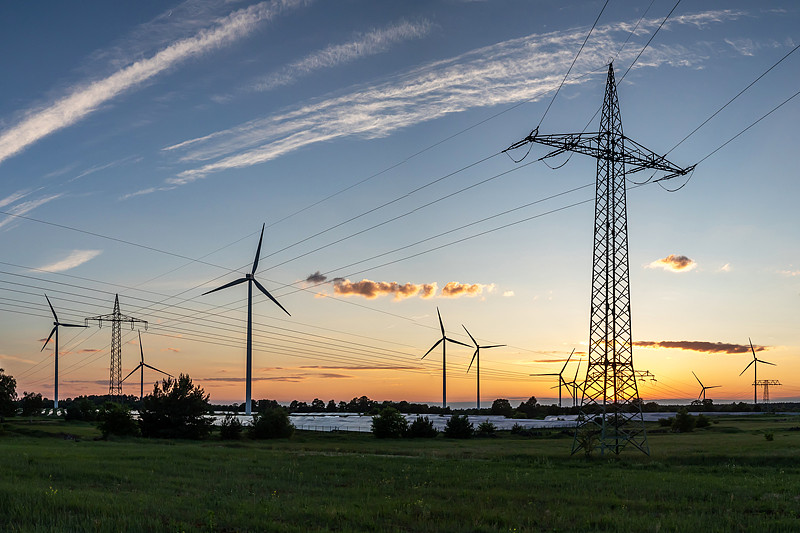
As the global installed capacity of renewable energy continues to expand, wind and photovoltaic projects demand increasingly advanced technical requirements for supporting power equipment. Highly adaptable transformers, weather-resistant cables, and intelligent distribution equipment are being increasingly applied in renewable energy scenarios. The industry generally believes that power equipment companies need to continue investing in product weather resistance, system compatibility, and remote monitoring functions to meet the higher requirements for equipment stability and intelligence in renewable energy projects.
-
 2026-04-05
Southeast Asia Power Grid Renovation Projects Accelerate
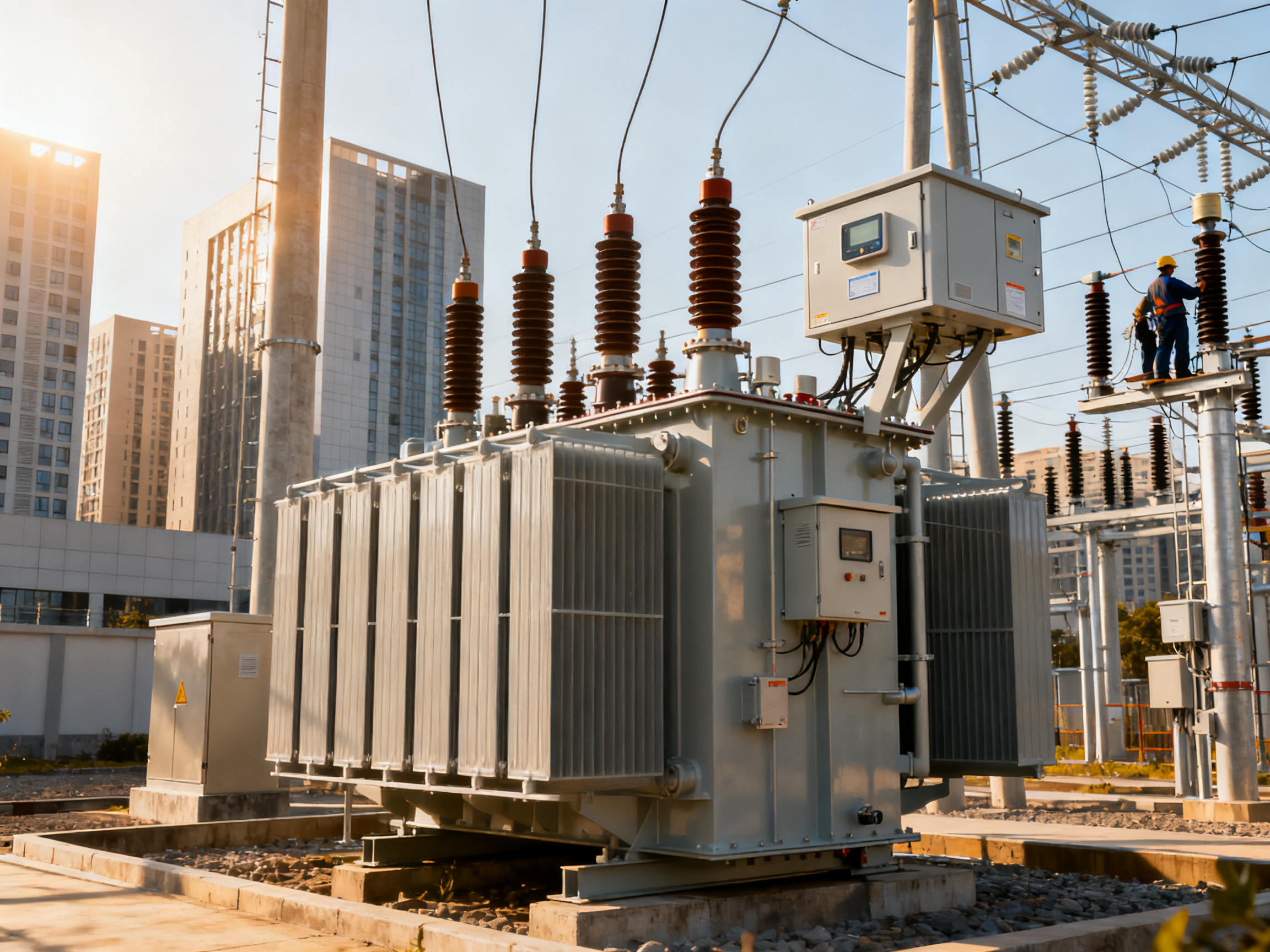
Recently, several Southeast Asian countries have successively launched a new round of urban power grid renovation and upgrade projects, focusing on the replacement of old lines, upgrades to distribution equipment, and the deployment of intelligent monitoring systems. Multiple countries have clearly proposed goals to improve power supply reliability and renewable energy access capability, driving continued growth in demand for equipment such as transformers, distribution boxes, and medium-to-high voltage cables. Industry experts expect that the power equipment market in the region will maintain steady growth in the next three years.
-
 2026-04-03
Global Trends | International Cooperation in Power Equipment Deepens, Customized Services Become a Core Competitive Advantage for Going Global
With the continued growth in global demand for power infrastructure construction, power transmission and distribution equipment companies are accelerating their international expansion. Providing customized product design and technology adaptation services for different national power grid standards and application scenarios has become a core competitive advantage. Meanwhile, a comprehensive international certification system and end-to-end service network help companies access overseas markets and promote the coordinated development of the global power industry.
-
 2026-04-03
Technological Innovation | New Materials Empower Power Transmission and Distribution Equipment, Achieving Multi-Dimensional Breakthroughs in Product Performance
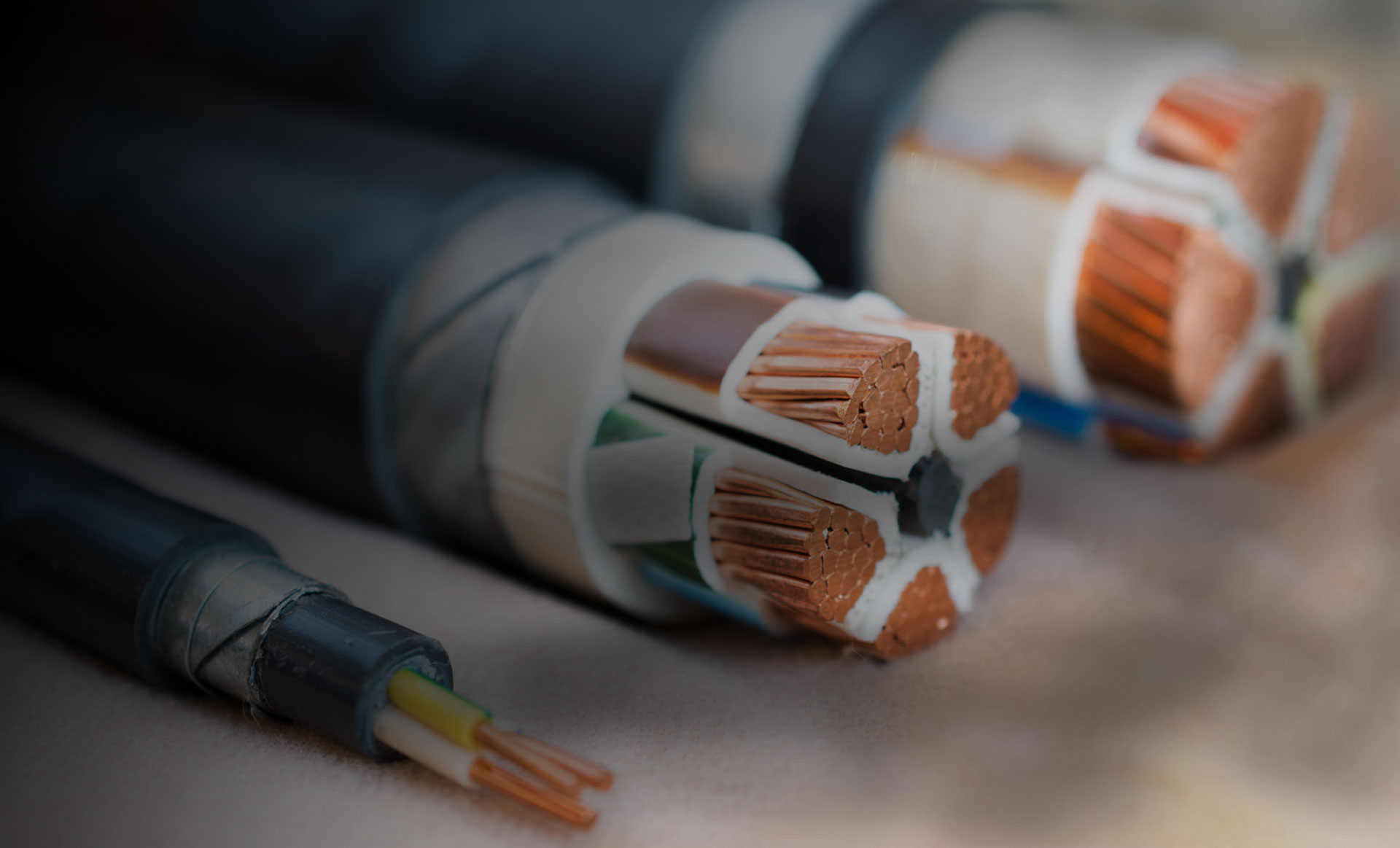
Significant progress has been made in the deep application of new materials technology in the field of power transmission and distribution. Through the optimization of raw material formulas and process upgrades, the transmission efficiency of cables has been improved, the energy efficiency of transformers has been enhanced, and the safety of distribution boxes has been upgraded. The products as a whole are characterized by lightweight, long life and low loss, which are suitable for the development needs of multiple fields such as new energy, industrial manufacturing, and intelligent buildings, and promote the technological upgrading of the industry.
-
 2026-04-03
Industry Observation | Policy and Demand Resonate, Power Transmission and Distribution Equipment Industry Enters a High-Prosperity Cycle
The start of the 15th Five-Year Plan spurred the accelerated development of the domestic power transmission and distribution industry. State Grid Corporation of China continued to increase its fixed asset investment, and the construction of ultra-high voltage power transmission lines and the intelligent transformation of distribution networks were promoted simultaneously. In overseas markets, the transformation of power grids in developed countries and the infrastructure demand in developing countries resonated, driving up both the volume and price of power transmission and distribution equipment exports, and the industry showed a significant trend of high-quality development.